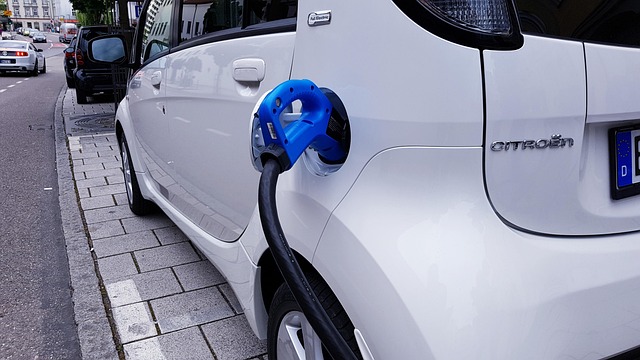

Step into any contemporary service bay and the scene feels more like a clean-room laboratory than the greasy workshops of yesterday. Electric cars hum softly on wireless charging pads, tablets replace clipboards, and technicians decode streams of data instead of peering only at timing belts. In this new landscape, the humble car diagnostic report has become the glue between software and socket-wrench, forging a relationship that is changing every conversation we have about maintenance, performance, and even the future of mobility.
The Silent Dialogue: How Electric Cars Speak
Electric drivetrains may be quieter than combustion engines, yet they never stop talking. Thousands of sensors monitor battery health, inverter temperatures, regenerative-brake cycles, and more. What used to be a roar from under the hood is now a digital whisper, translated into meaningful insights by software. The end result is a living stream of information that pours into a car diagnostic report every time a vehicle plugs into a charger, rolls into a dealership, or syncs with an over-the-air update.
Software Is the New Wrench
When people picture car service, they often imagine a mechanic elbow-deep in oil. Today, the technician’s most powerful tool may be a laptop running proprietary software. Updates can re-map torque curves, refine traction control, and extend battery longevity without ever swapping a single car part. In fact, the line between car parts and code is fading fast. A patch that improves thermal management functions like an invisible replacement radiator, and it is delivered in the time it takes to download a song.
Anatomy of a Modern Car Diagnostic Report
To appreciate the scope of change, examine the sections now standard in a contemporary car diagnostic report:
- Battery State of Health — Capacity, cell balance, cycle count, and projected service life.
- Powertrain Software Revision — Current build number, release notes, and pending recommended updates.
- Predictive Maintenance Alerts — Machine-learning forecasts on brake pad wear, coolant pumps, and high-voltage relays.
- ADAS Calibration Status — Sensor alignment for cameras, radar, and LIDAR ensuring Level-2 and Level-3 autonomy work flawlessly.
- Cybersecurity Integrity — Firmware checksums and intrusion-detection logs confirming the vehicle is protected against malicious code.
From the Service Bay to the Cloud
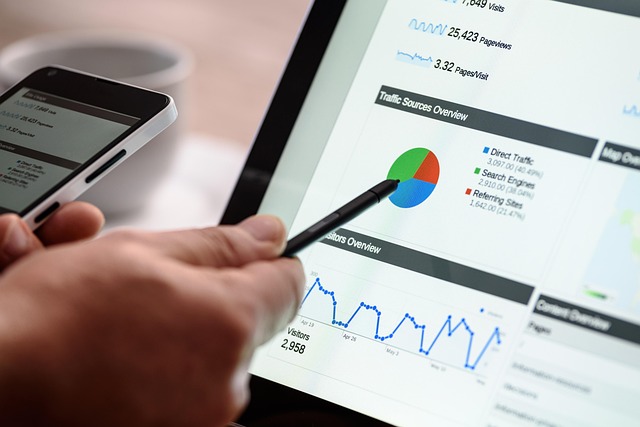
A decade ago, you waited for a check-engine light before scheduling a repair. Now, your car often knows something is wrong long before any light glows amber. Real-time telematics push data to encrypted servers where software constantly looks for anomalies. If a high-voltage junction box runs a few degrees hotter than expected, you receive a notification and an automatically generated car diagnostic report in your inbox—sometimes before you’ve finished breakfast. In parallel, the latest car news outlets pick up on widespread issues and broadcast them, turning obscure service bulletins into front-page headlines within hours.
Engines, Motors, and the Blurring Line
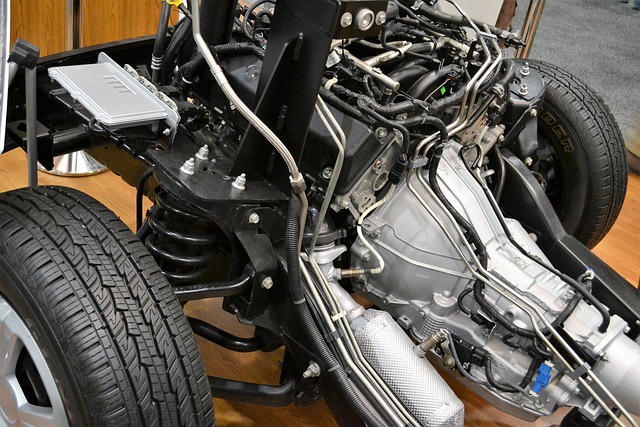
Traditionalists still love the mechanical crescendo of high-revving car engines, but even they recognize the computational choreography behind modern performance. Whether gasoline or electrons propel the wheels, software dictates torque delivery, traction thresholds, and energy recuperation. The car diagnostic report is the translator that lets owners witness that choreography firsthand, revealing which subsystem is responsible for every fraction of a kilowatt or horsepower unleashed on the road.
Why Drivers and Technicians Are Both Becoming Data Scientists
As vehicles evolve, so do the skill sets required to keep them running. A service advisor explaining a deep-cycle analysis of battery degradation now sounds more like an IT consultant than a grease monkey. Meanwhile, drivers grow fluent in terms like state-of-charge variance and OTA firmware patch. The result? Every visit to the service center is a masterclass on interpreting a car diagnostic report, empowering owners with the knowledge to make better decisions about range management, part replacements, and software upgrades.
The Road Ahead: Continuous Updates Meet Continuous Curiosity
Car news headlines increasingly read like release notes for smartphone apps: “Version 12.4 adds Smart-Park lane centering,” “Stability update improves inverter cooling by 15%.” With each new feature, fresh data rolls into updated car diagnostic reports, closing the feedback loop between engineers and end users. Car parts may still wear out and need replacement, but the real race is how quickly software can adapt, predict, and compensate before mechanical fatigue ever surfaces.
Standing at the crossroads of electrons and algorithms, we witness a revolution where maintenance becomes less about repairing what is broken and more about collaborating with code to ensure nothing breaks in the first place. The car diagnostic report is our passport to that future, equal parts status update and storybook, mapping the hidden journey of each mile we travel.