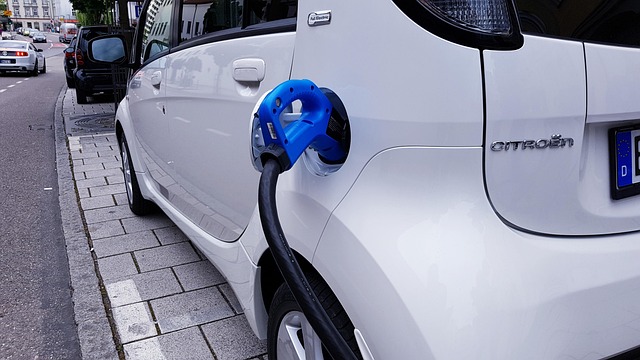

Imagine slipping behind the wheel of a brand-new electric car, pressing the silent start button, and watching dozens of dashboards glow to life. Each indicator confirms that batteries, sensors, and motors are humming in harmony. Now picture that same reassuring orchestra happening every time a software build boots up in production. That confident click of certainty is precisely what an error introduction monitoring system delivers to developers, testers, and users who rely on mission-critical code every day.
The Garage Mentality for Modern Code
For decades, automotive workshops perfected preventive maintenance. Oil, filters, brake pads—mechanics inspect the smallest car parts long before they grind or fail. In the software category, the garage mentality has been slower to take hold. We patch after release, we diagnose after an outage. An error introduction monitoring system flips that narrative, turning continuous inspection into standard practice. It records every commit, every dependency upgrade, every configuration toggle, much like a mechanic logs torque specs on wheel nuts. If an unexpected error sparks, the system throws a virtual check-engine light and rolls back the change before users even sense the jolt.
Electric Car Parallels: High-Voltage Awareness
Electric vehicles highlight how subtle anomalies can quickly snowball. A cell imbalance in a battery pack might not blow up an engine, but it can shave miles off range or shorten battery lifespan. That’s why EVs embed intricate battery management systems that track voltage, temperature, and charge cycles in real time. Similarly, an error introduction monitoring system parses logs, performance counters, and user events to spot misalignments—memory leaks, race conditions, or creeping latency—before they drain performance or corrode customer trust.
From Car News to Code Commit News
When automotive journalists break car news—like a recall on steering columns—drivers rush to service centers. In software, release notes function as our headlines, but they often arrive days after trouble appears. By integrating monitoring directly into CI/CD pipelines, developers publish “code news” the instant changes hit staging. Automated alerts resemble urgent push notifications, guiding teams to service their digital engines without waiting for a full-blown recall.
Diagnostics That Rival a High-End Service Center
Modern dealerships connect cars to OBD scanners that read error codes, suggest fixes, and even predict upcoming wear. A robust error introduction monitoring system offers equally granular telemetry. It dissects stack traces, correlates them with deployment data, and proposes remediation steps. In microservice environments, it maps interservice traffic much like a blueprint of vacuum lines and wiring harnesses, letting engineers trace a fault from a misconfigured container to the API gateway it starves.
Engineered for Hybrid Fleets
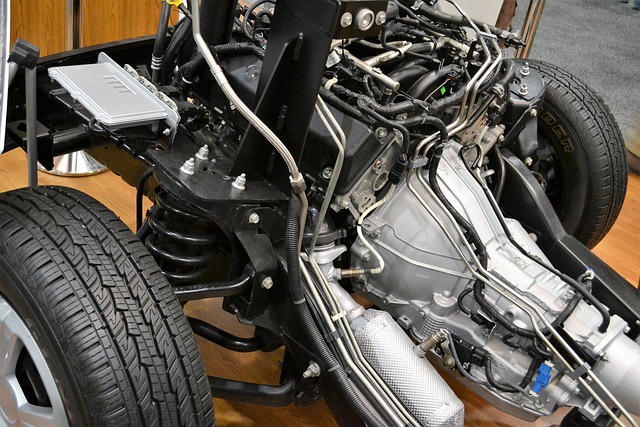
Just as some drivers still cherish V8 car engines while others embrace all-electron torque, enterprises often maintain hybrid fleets of legacy monoliths and cutting-edge serverless functions. The monitoring platform must speak both languages. It should digest log files from on-prem Java servers with the same fluency it parses function traces from cloud runtimes. Think of it as a universal diagnostic port compatible with every vehicle on the lot.
Minimizing Downtime = Maximizing Range
An unexpected breakdown on a rural highway is every driver’s nightmare, especially when charging stations are sparse. Software outages feel no less stranded—downtime burns customer goodwill and revenue. With predictive analytics fed by machine learning, an error introduction monitoring system estimates “remaining range,” forecasting how long a service can keep running before an emerging bug crashes it. Teams gain a realistic window to patch or roll back, mirroring the way EV dashboards estimate miles before charge depletion.
Adaptable Maintenance Schedules
Electric cars no longer demand 3,000-mile oil changes, but they do require periodic firmware updates and coolant flushes for battery thermal systems. Monitoring solutions similarly adjust maintenance cadence based on real-world usage. If a service processes ten million transactions a day, its error thresholds tighten; if weekend traffic drops to idling RPMs, the system loosens alerting to avoid alarm fatigue.
Inventory Control for Digital and Physical Parts
Service centers track replacement car parts—filters, belts, sensors—to ensure quick turnarounds. Inside software pipelines, versioned libraries, containers, and third-party APIs are our parts inventory. The monitoring layer catalogs which version shipped with which feature flag, so when a memory-hungry dependency slips into production, engineers pinpoint the faulty part in seconds. Dependency drift becomes as manageable as restocking spark plugs.
Driving a Culture of Continuous Test Drives
No manufacturer releases a new vehicle without rigorous track time. Yet many organizations still merge code with minimal test mileage. By surfacing every exception in real time, an error introduction monitoring system incentivizes teams to stage “road tests” for every feature. Canary deployments function like short city drives; blue-green rollouts compare performance like highway versus urban cycles. Engineering cultures evolve toward the automotive benchmark of millions of simulated miles before launch.
Future-Proofing with Over-the-Air Updates
The most compelling car news today is over-the-air (OTA) updates that add horsepower, extend range, or unlock new infotainment features. Software already lives in this OTA world, but safe delivery depends on flawless monitoring. Without early detection, a malformed database migration could brick services as surely as a faulty firmware push strands a car on the shoulder. Continuous validation ensures updates land smoothly, letting innovation accelerate rather than stall.
The Road Ahead
As electrification reshapes mobility, the parallels between auto engineering and software engineering only deepen. Developers must treat each commit like a new drive cycle, anticipating potholes and detours. An error introduction monitoring system becomes the adaptive cruise control of software reliability—keeping projects within safe lanes, automatically braking when hazards emerge, and allowing teams to focus on strategic acceleration instead of emergency recovery.